Texas Birding Day 1
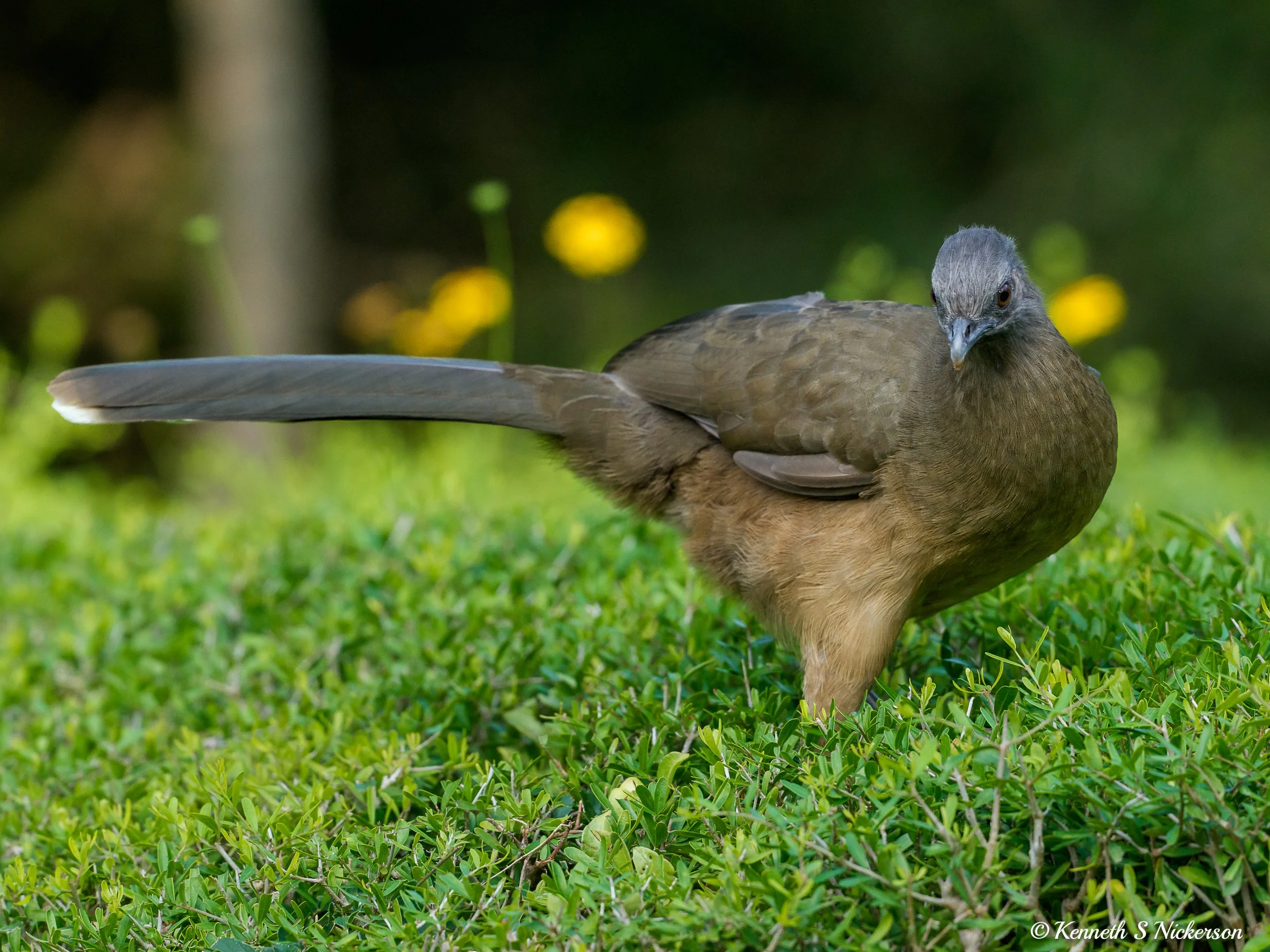
I have recently gotten back from 6 days of birding in the Rio Grande Valley in the southern most tip of Texas. This region is filled with birds, many of whom are found only in this region of the US or in few places outside of this region. My first birding location was at the Edinburg Scenic Wetlands which is about 75 miles west of the Gulf of Mexico and 15 miles north of the Rio Grande River. Getting out of my car, the first bird I saw was a Plain Chachalaca, one of 40 new bird species I added to my US life list on this trip.
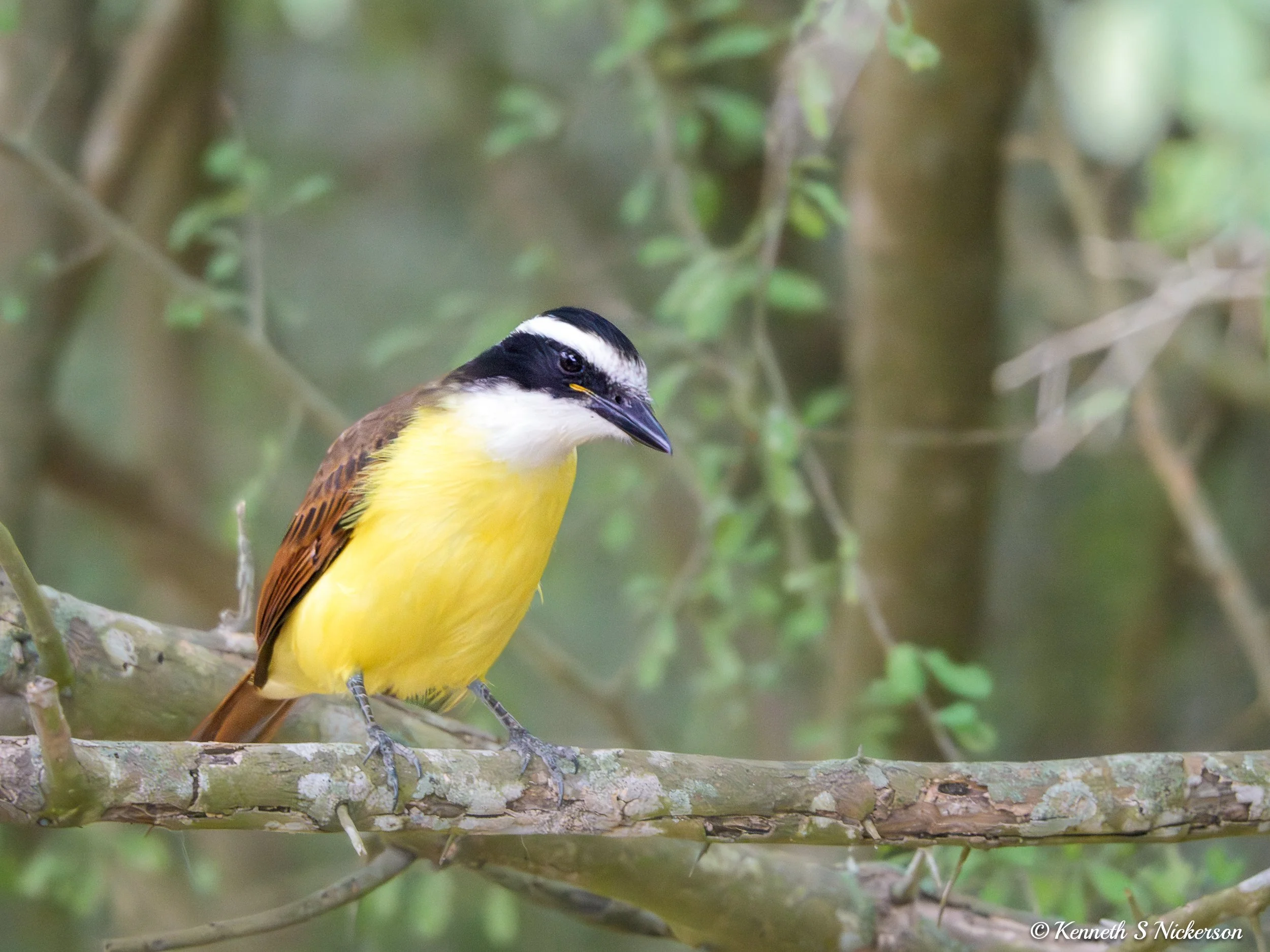
In a tree just above the Plain Chachalaca was a Great Kiskadee. I had seen Great Kiskadees during my 2023 birding trip to Costa Rica, but I had never seen them in the US before. I would discover over the next several days that they are one of the ubiquitous birds in the region.
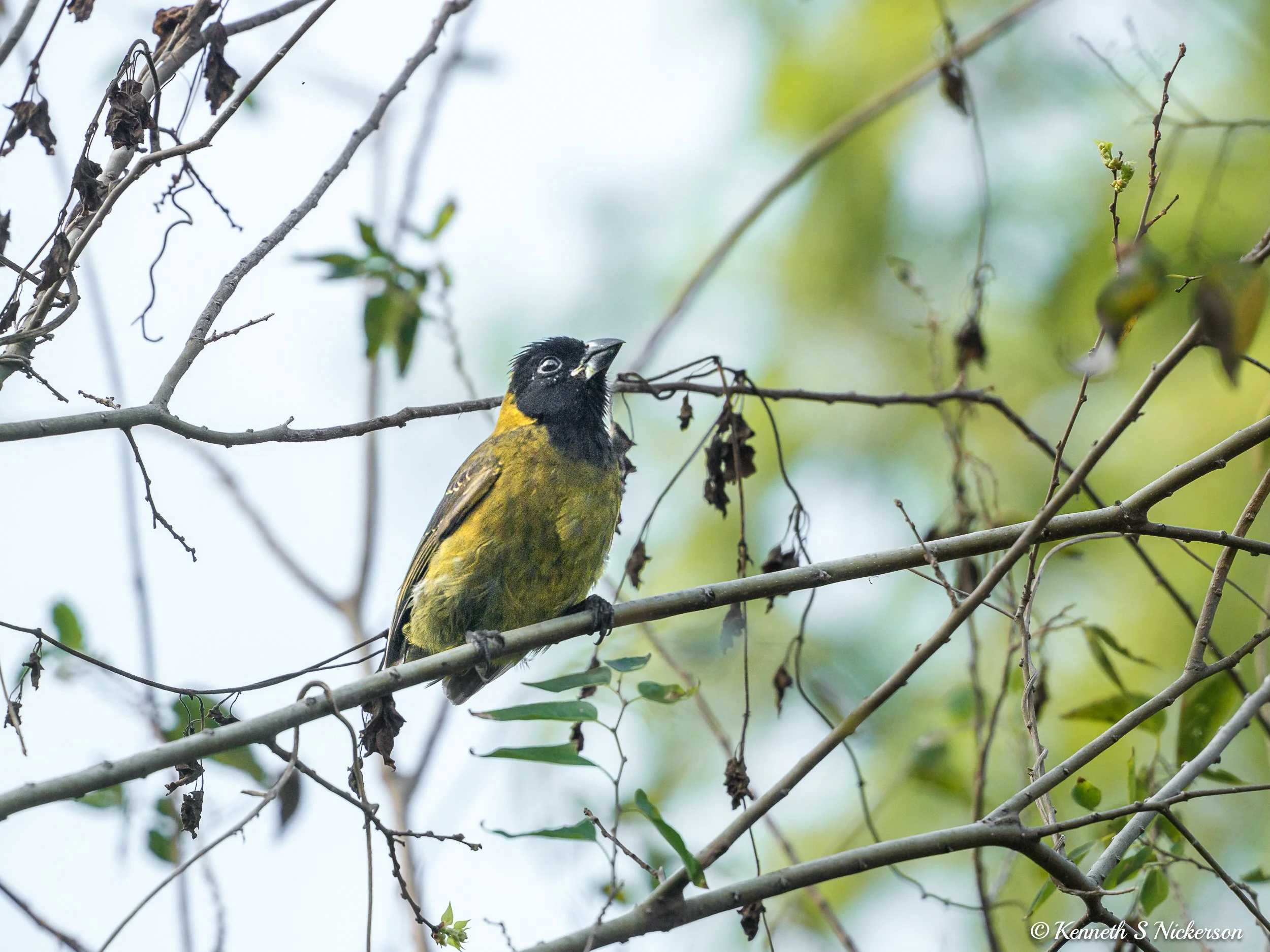
A big reason I started with the Edinburg Scenic Wetlands was that there had been an extremely rare Crimson-collared Grosbeak appearing there for some period of time. The Crimson-collared Grosbeak can be found in Mexico, but this female is the only one that has been seen in the US this year. The name of the species comes from the male coloring rather than the female shown above. Mexican rarities are one of the reason the Rio Grande Valley is considered one of the best birding regions in the US.
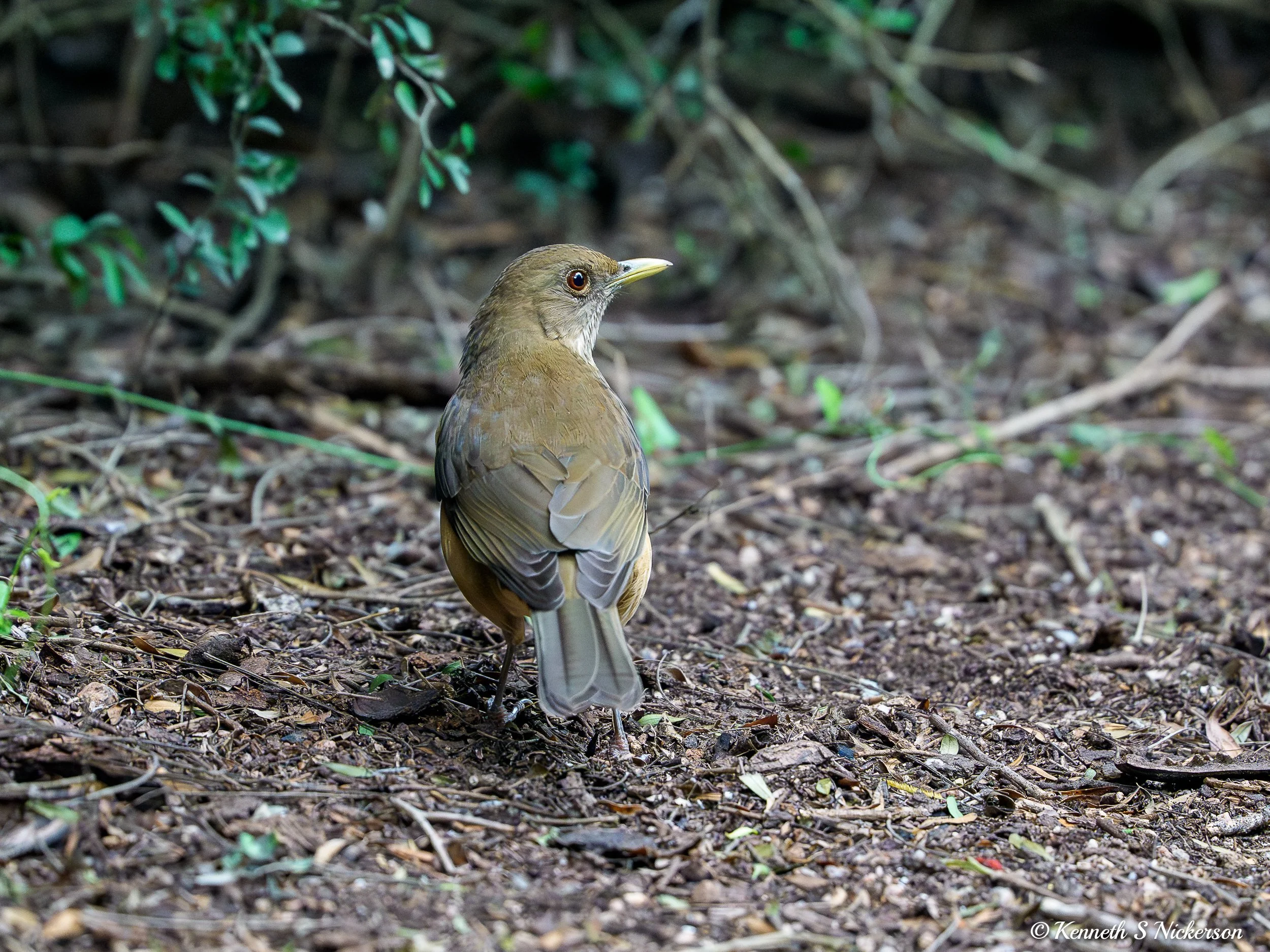
This Clay-colored Thrush was my 4th new species for the morning. While not a rarity, it is an example of a species that is generally only found in southern Texas within the US.
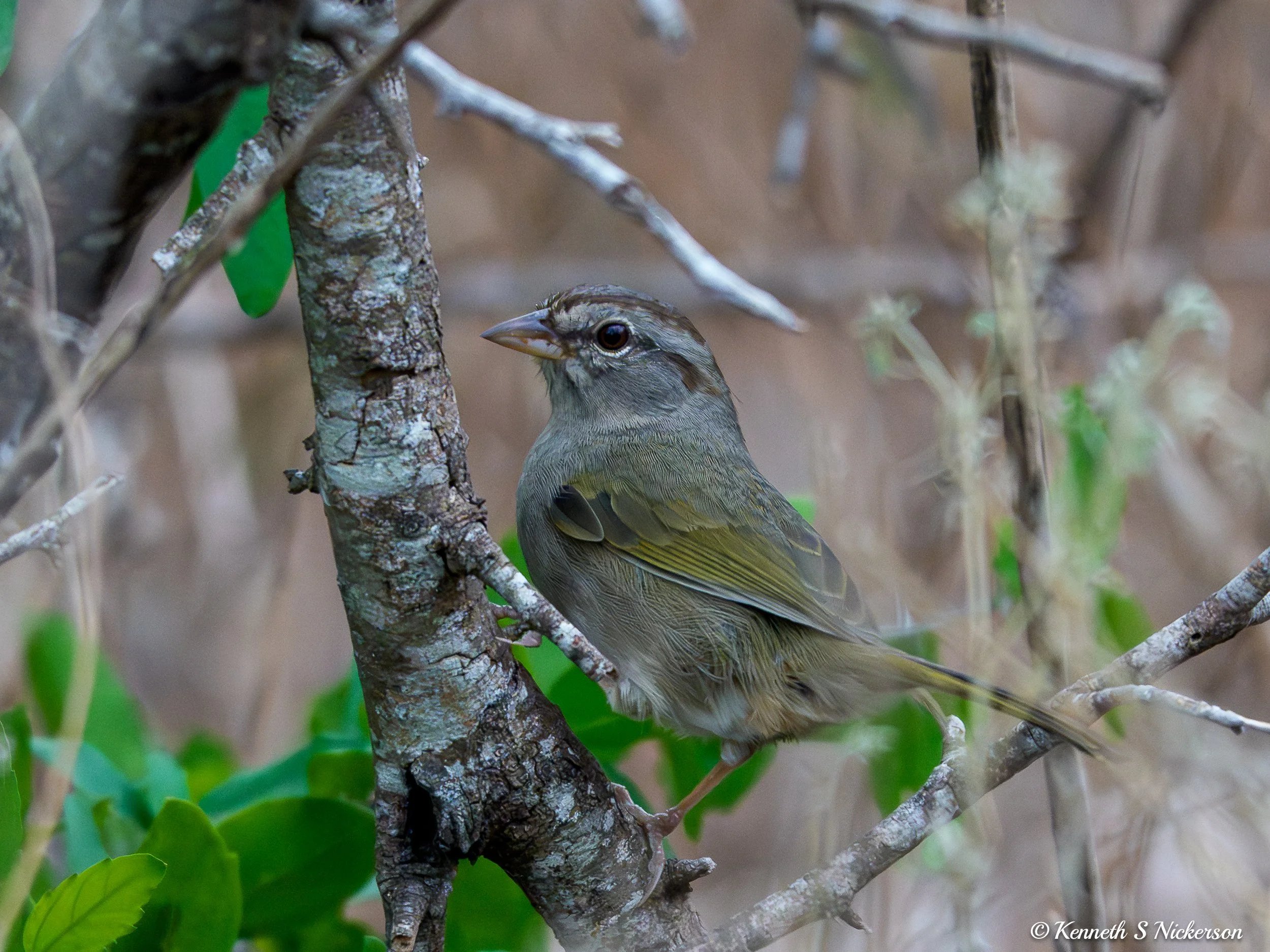
This Olive Sparrow has a similar range map to the Clay-colored Thrush. It can be found in southern Texas, Mexico, and in most countries of Central America.
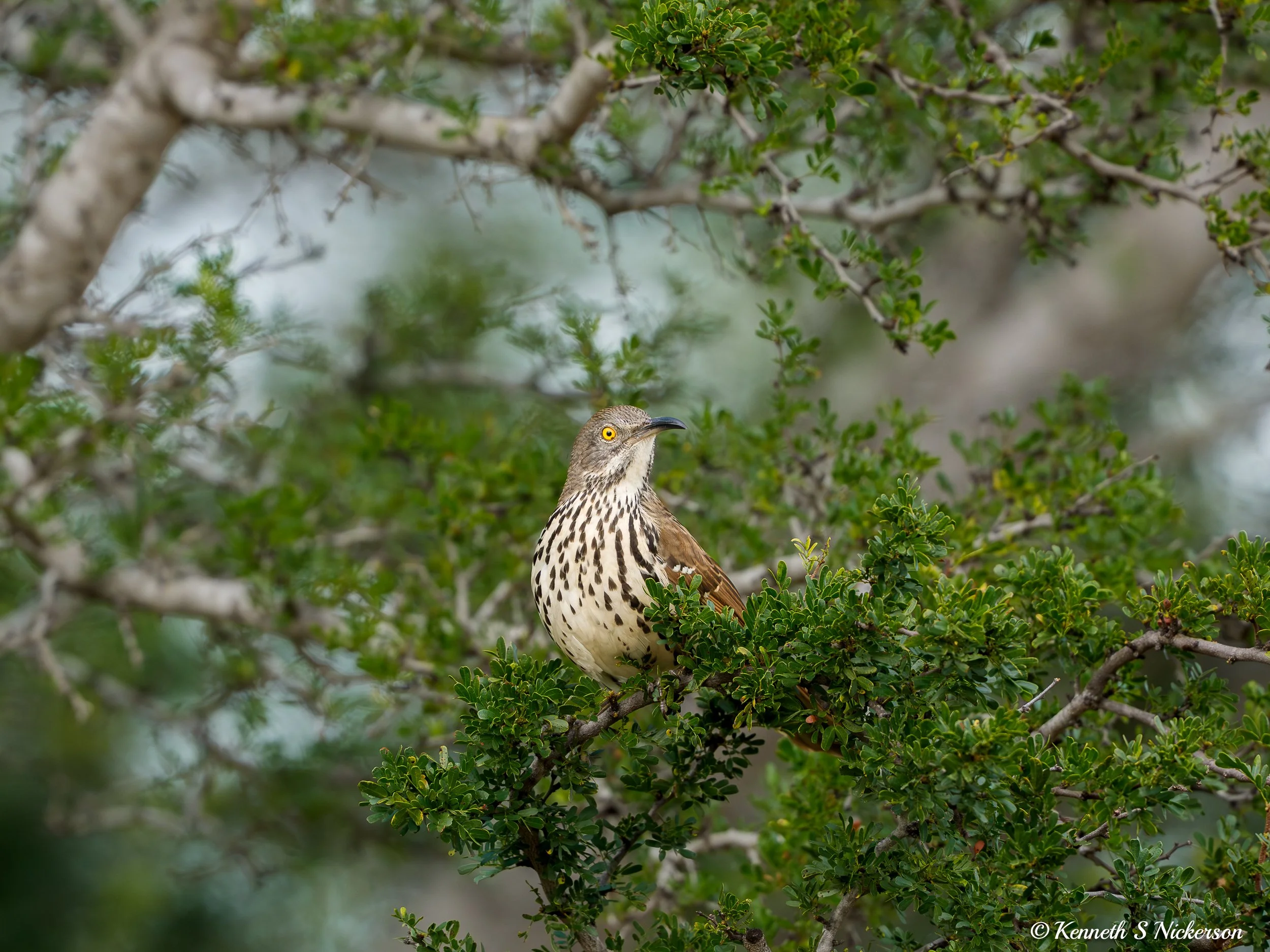
The Long-billed Thrasher has a more extensive range in the US. It can be found in New Mexico as well as in Colorado.
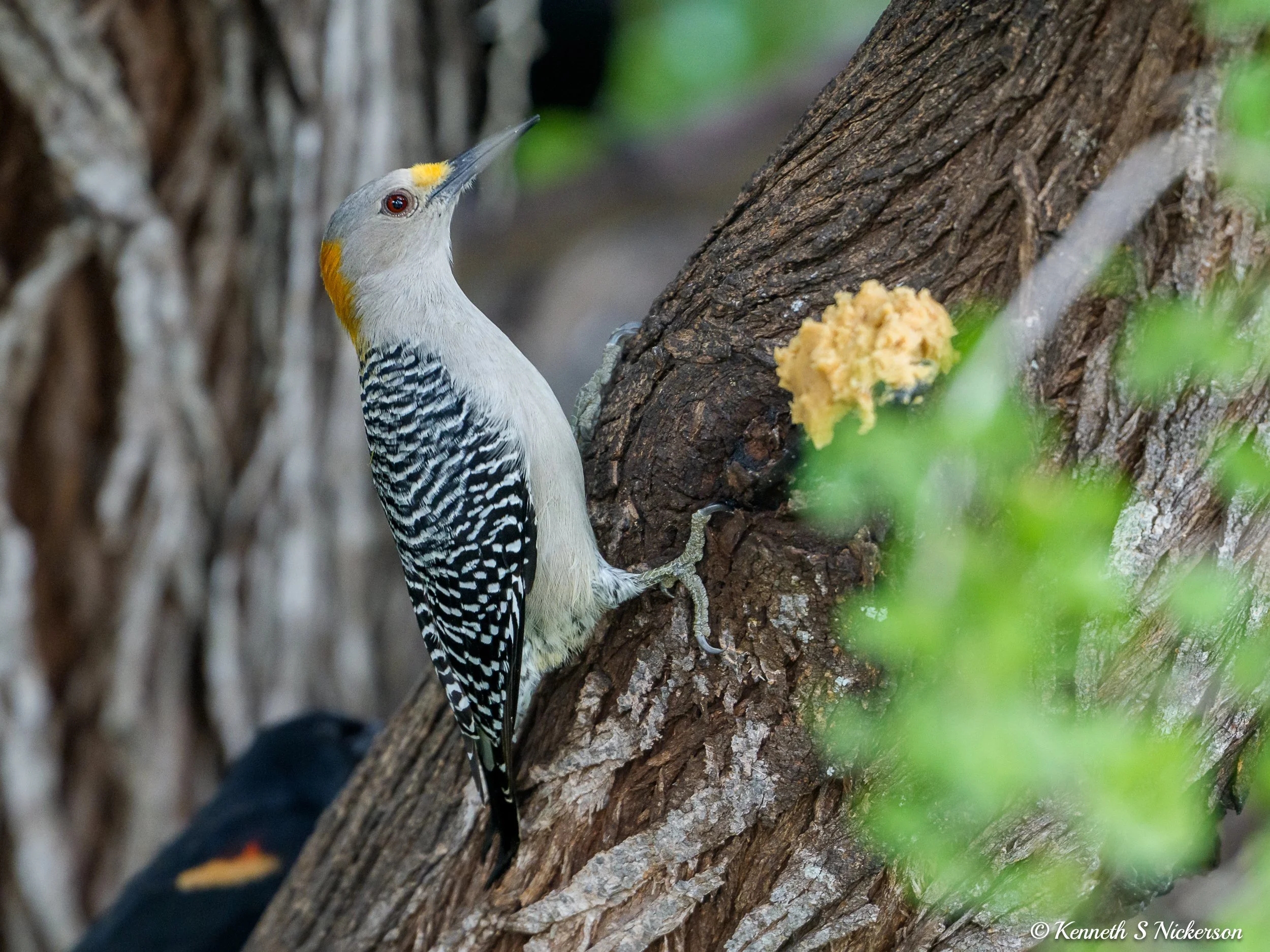
My final new bird of the visit was the Golden-fronted Woodpecker. Within the US, it is commonly found in Texas and Oklahoma but can be found in other states such as New Mexico, Colorado, and more occasionally in places like the Florida panhandle.
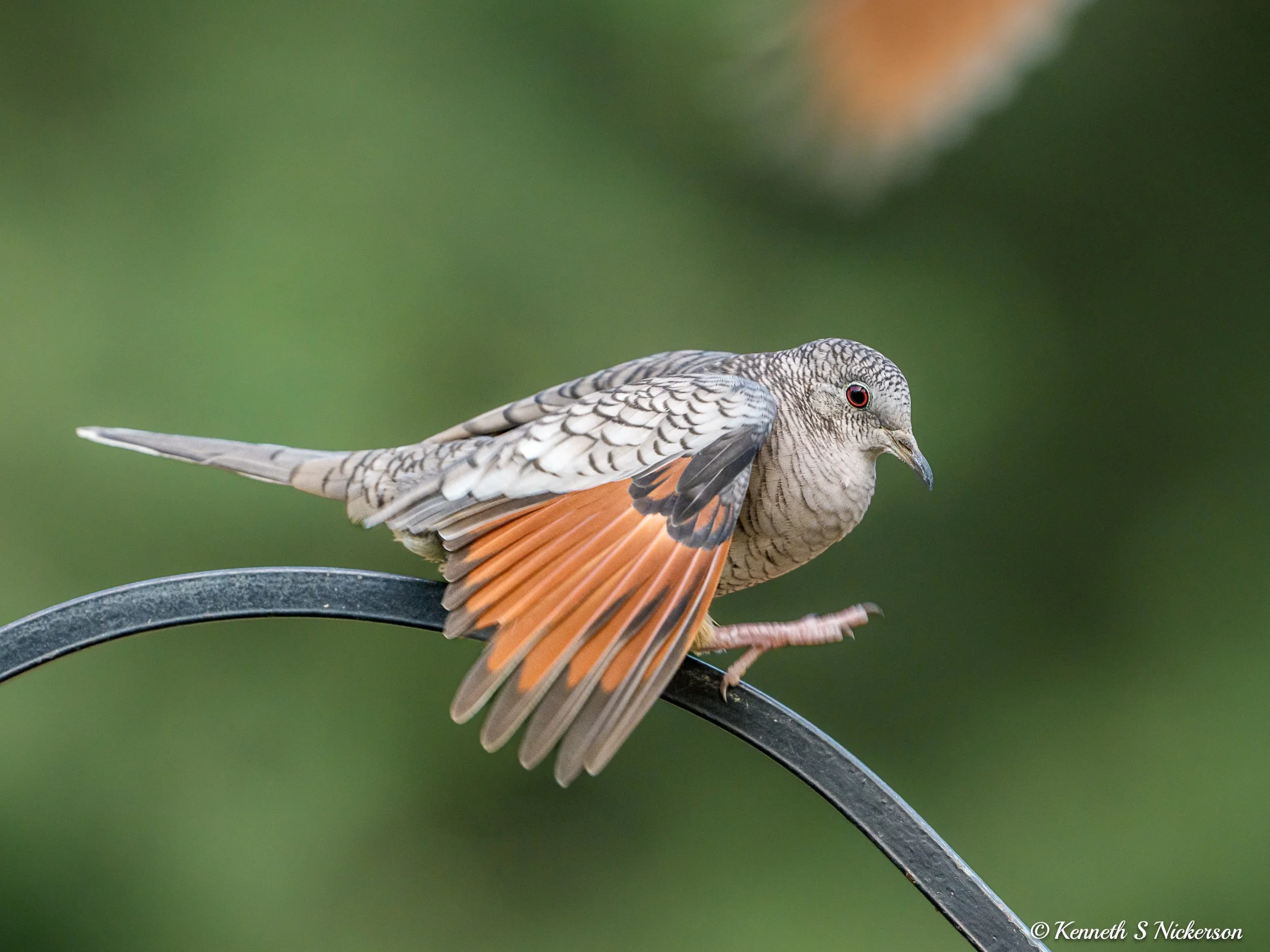
In total, in just two and a half hours, I saw these 7 new species plus an additional 25 species that I had seen earlier in 2025 including this Inca Dove above. Overall, it was a fabulous start to my trip.
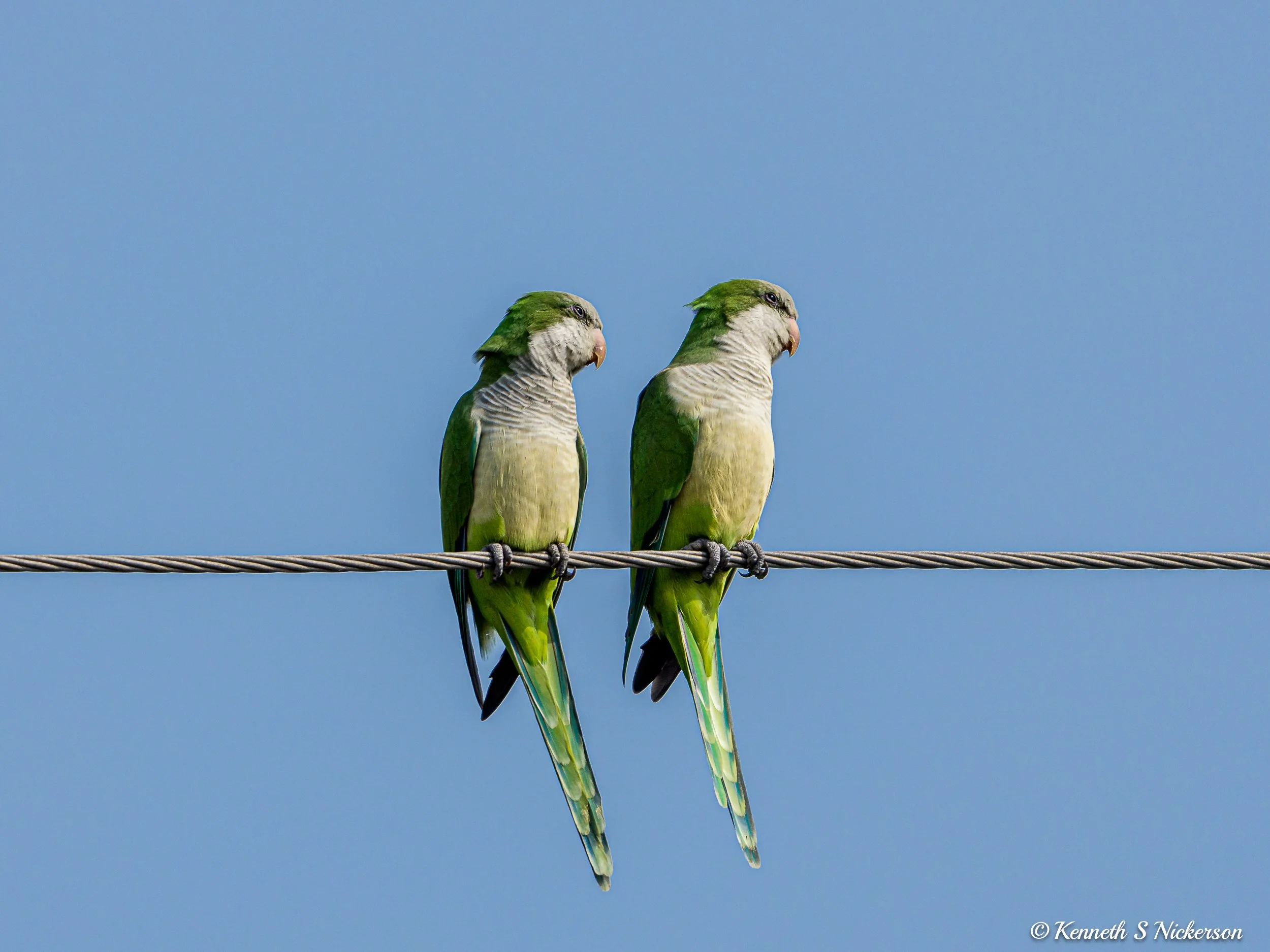
My next stop was a quiet neighborhood almost due south in Hidalgo which borders the Rio Grande. There, I was looking for Monk Parakeets. After about 10 minutes, this pair flew in and landed on a nearby wire. These birds are native from South America and were brought to the US as pets. Over time, enough of these birds either escaped or were released that they were able to build a considerable population in Texas especially along the coast, Austin and Houston.
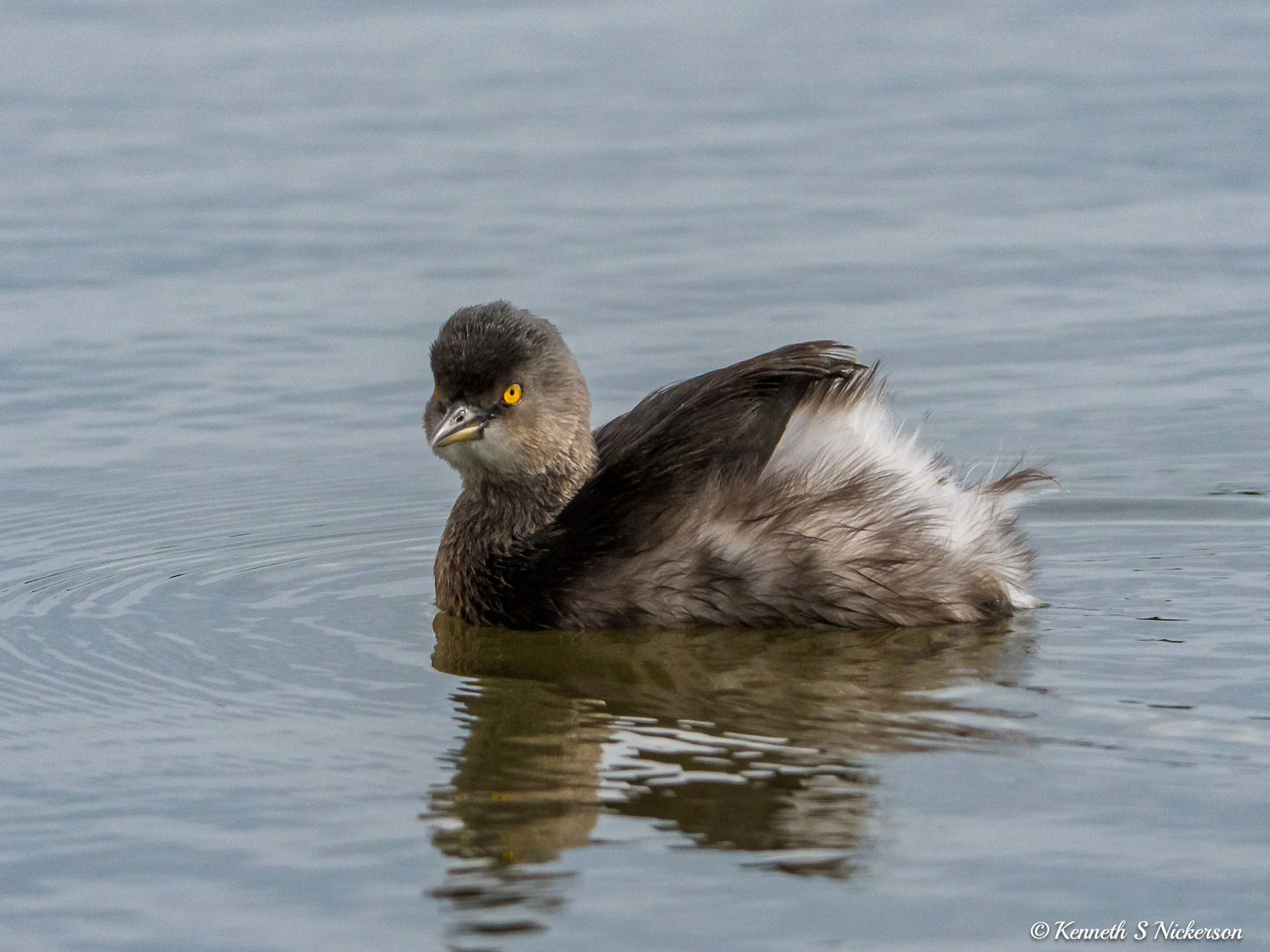
Having found the Monk Parakeets, I then drove east along the Rio Grande to Santa Ana National Wildlife Refuge. My primary target here was the Least Grebe. The Least Grebe was my 7th Grebe species of the year. While Texas is their dominant US habitat, they can be found all along the southern border with Mexico. Initially, I only saw them in the distance, but with patience and some searching, I was able to get close to this one for a nice detailed photo.
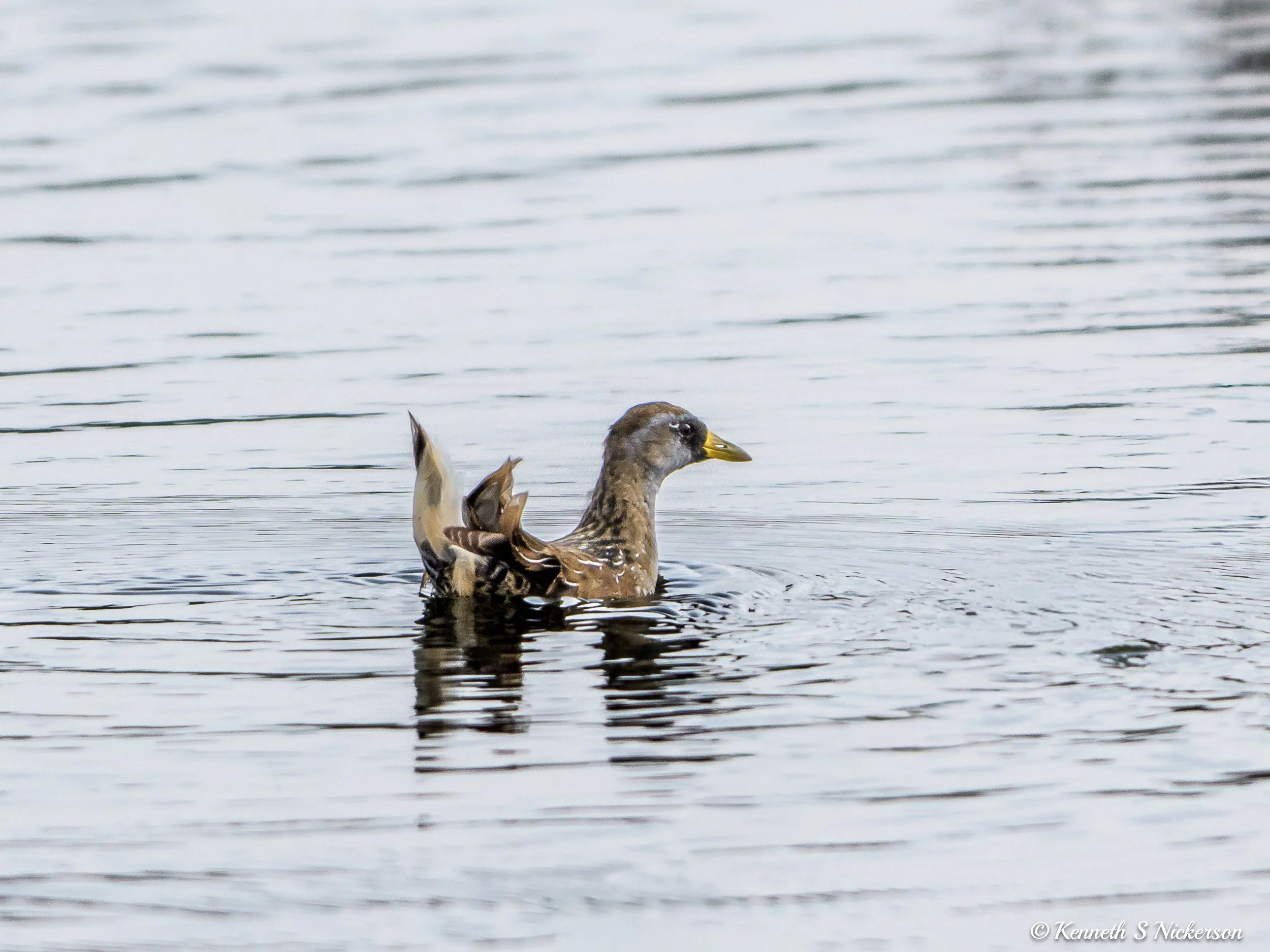
While looking for the Least Grebe, I came across a couple of Soras. While I had seen one in Louisiana just before New Orleans, I only had a terrible photo. While not amazing, this photo is a considerable upgrade.

It was also at Santa Ana’s NWR that I say my first Green Jay. These spectacular looking birds are rather common in the Rio Grande Valley. They can be found from Texas to Honduras as well as in South America from Venezuela to Bolivia. The South American birds have a white crown rather than the blue crown of the North American birds.
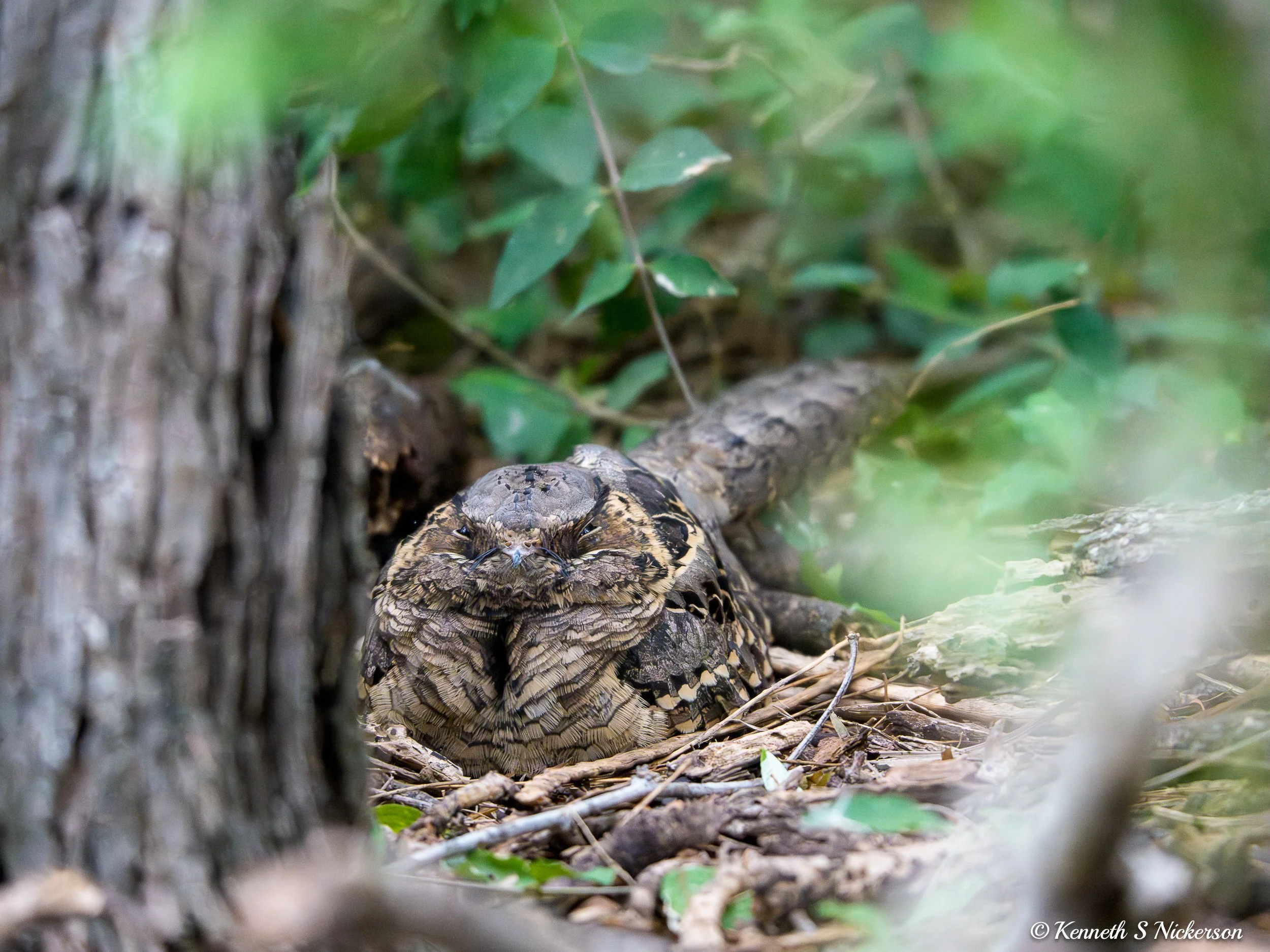
My final stop of the day was at Estero Llano Grande State Park, about 16 miles farther east. One of my target birds there was the Common Pauraque. This bird is incredibly well camouflaged. I was told where to look for it, but was unable to find it. One of the rangers looked for it with me, but we were still unable to find it. Eventually a second ranger showed us both where it was hiding, just 5 feet from the path. The rangers in all of the parks I visited were very knowledgable and helpful.
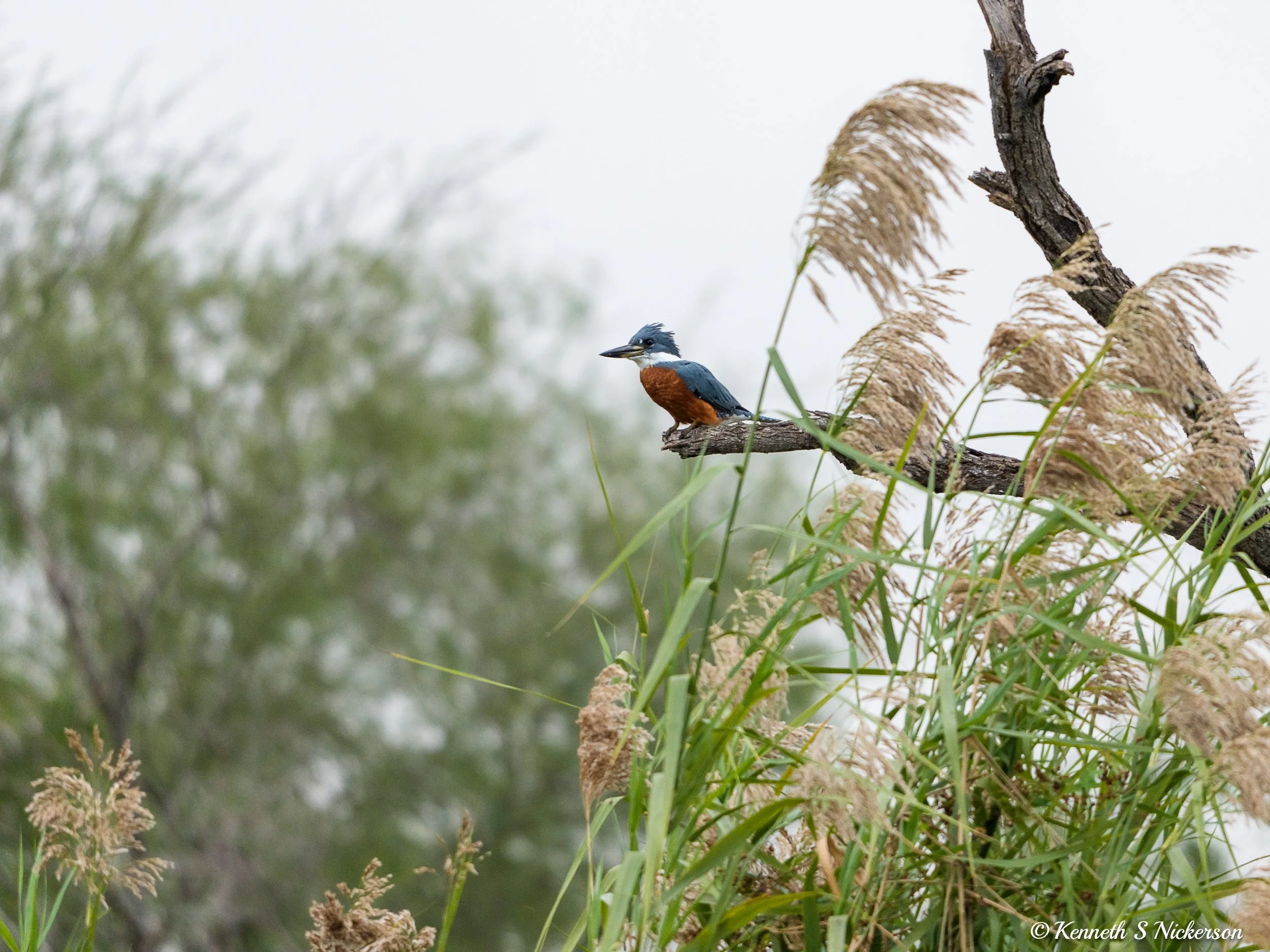
As the daylight started to fade, Merlin heard this Ringed Kingfisher. I darted to a place where I had a better view and spotted it perched on a branch overlooking the water. The Ringed Kingfisher is the largest Kingfisher species in the Americas. It can be found throughout South America, Central America, Mexico and Texas.
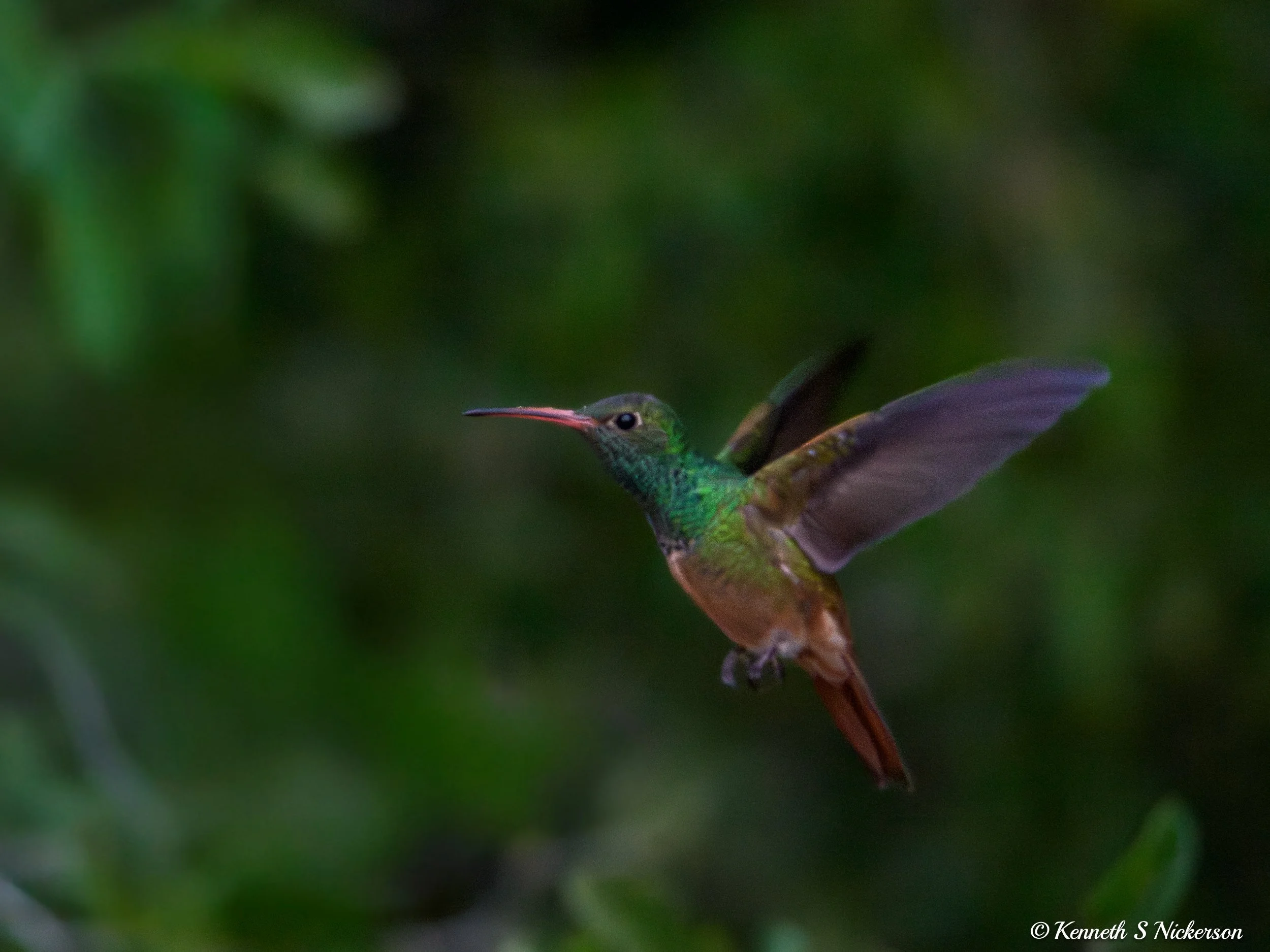
Finally, on my way out, I passed by a Hummingbird feeder. I had not seen any Hummingbirds there when I had arrived, but now there was a Buff-bellied Humming bird zipping around. All told, on my first day, I saw 15 new species of birds which was remarkable.